What Is RFID Blocking in Wallets and Does It Matter?
In the age of contactless payments and digital wallets, the concept of RFID blocking wallets has become a popular selling point. But if you’re like me—carrying a thick, annoying receipt in your wallet for that stress test—you may wonder: does RFID blocking actually matter, or is it just marketing hype?
In this post, I’ll dive deep into the rfid blocking wallet meaning, what it actually does, and why it might be something to consider (or not) in your day-to-day minimalist carry. Along the way, I’ll highlight some standout wallets from brands like Ridge Wallet, Trayvax, and Ekster Wallet, focusing on features like card access mechanisms, materials, and durability.
What Is RFID Blocking and Why Should You Care?
Let’s start with the basics. RFID stands for Radio Frequency Identification. It’s a communication technology that lets devices exchange information wirelessly over short distances. Your contactless credit/debit card, passport, and even some ID cards have RFID chips embedded inside.
An RFID blocking wallet is designed to shield these chips from unauthorized scanning attempts. This is often called contactless card skimming, meaning thieves can potentially grab your card info without touching your wallet.
RFID Blocking: Reality vs. Hype
Here’s where things get interesting. While RFID shielding metal plates inside wallets do block radio signals effectively, the actual risk of contactless card skimming is relatively low. Banks and payment systems use encryption and tokenization, which make stolen data less useful in many cases.
Still, if you’re carrying multiple RFID-enabled cards, or want peace of mind in crowded places, an RFID blocking wallet might be a worthy upgrade.
Minimalist Carry and Pocket Comfort Matter
One reason I always test wallets is pocket comfort. Wallets aren’t just tech—they’re everyday carry (EDC) gear that needs to fit seamlessly in your life. If your wallet needs two hands to pull out a card or pokes sharp edges against your thigh in tight jeans, it’s a fail.
Minimalist wallets are generally slim and designed to carry just essentials—think 4 to 8 cards plus some cash. This not only reduces bulk but also improves pocket shape and comfort.
Wallets That Get Minimalist Carry Right
- Ridge Wallet Anodized Aluminum: Starting at around $95, Ridge’s aluminum design offers RFID blocking with a tough, durable metal shell—great for those who want a sleek, metal minimalist carry.
- Trayvax (Original 2.0, Element, Contour, Venture Billfold, Armored Summit): Trayvax combines rugged metals like titanium and aluminum with leather or DTEX fabrics, offering RFID protection and strong durability. Their varied collection suits different carry preferences from slim to fuller.
- Ekster Wallet: Known for quick pop-up card access through pull straps and clever mechanisms, Ekster wallets integrate RFID blocking while maintaining slim profiles with leather and metal blends.
Card Access Mechanisms: How You Retrieve Your Cards Counts
When evaluating RFID wallets, don't just look at blocking capability. Ask: How easy is it to get to your cards? Some wallets stack cards flat, while others have pull straps or pop-up systems. This impacts daily usability and pocket comfort.
Popular Card Access Styles
- Stacked Cards: Cards are layered flat inside. This is simple but sometimes slow to access, especially if you carry many cards.
- Pop-up Mechanisms: Used by Ekster and some Trayvax models, a lever or strap fans cards upward in a quick-access cascade.
- Fan Style: Cards pivot out individually like a deck of cards, often found in some luxury wallets but less common in minimalists.
- Pull Straps: A strap lifts the cards out, improving speed and requiring just one hand—ideal for EDC.
Since I often have only one hand free (and a bulky receipt that won’t quit), wallets that optimize easy card retrieval without adding bulk rank high on my list.
Materials and Durability: What Your Wallet Is Made Of Matters
The material determines weight, durability, feel, and sometimes RFID blocking effectiveness. Let's examine common materials found in RFID blocking wallets:
Material Durability Weight RFID Blocking Effectiveness Pocket Comfort Aluminum High; rigid and scratch-resistant Medium; lightweight but not as light as composites Excellent; metal naturally blocks signals Medium; edges can be sharp or bulky if not well designed Titanium Very high; stronger and more resilient than aluminum Light; lighter than steel Excellent High; sleek and comfortable Carbon Fiber High; scratch and impact-resistant Very light Limited; not metallic, may require embedded blocking layers High; smooth with no sharp edges Leather Medium; ages well but susceptible to wear Varies Low; usually requires embedded metal layers or RFID blocking lining High; soft and conforming DTEX (Synthetic Fabric) High; designed to be rugged and water-resistant Light Medium; generally paired with metal plates HighExamples from the Brands Mentioned
- Ridge Wallet: Often uses anodized aluminum or titanium, combining sleek looks with strong RFID blocking. Fits well in pockets but sometimes edges require a break-in period to soften.
- Trayvax: Mixes metal (usually aluminum or titanium) with leather or DTEX fabric accents. The Armored Summit and Venture Billfold, for instance, balance rugged durability with everyday minimalism.
- Ekster Wallet: Uses leather and aluminum to deliver fast card access and RFID blocking, blending traditional materials with modern convenience.
Is RFID Blocking Worth it? My Take
From my years of carrying and thoroughly testing minimalist wallets, here’s what I recommend:
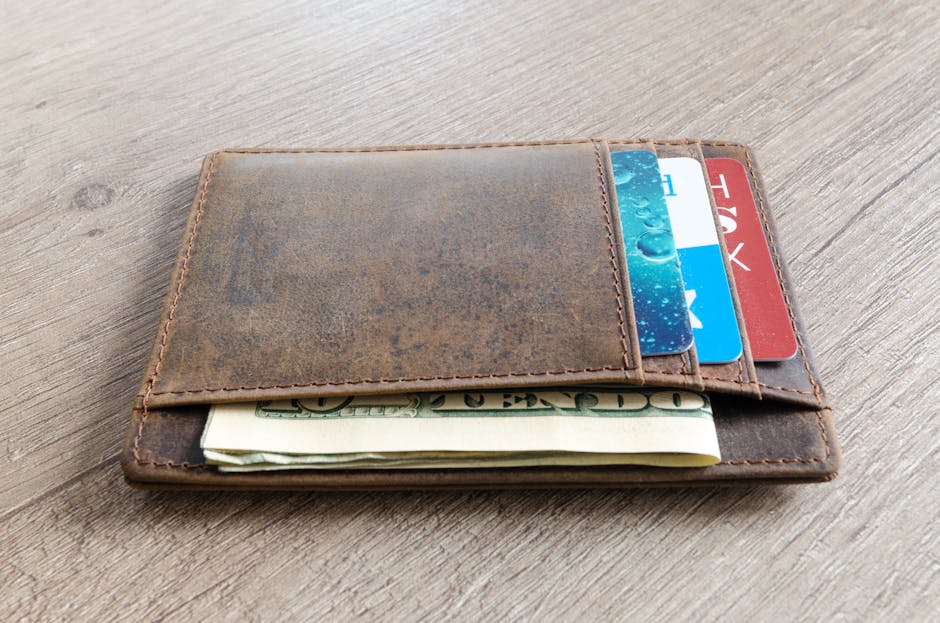
- If you seek ultimate protection and peace of mind, wallets with robust RFID shielding and durable metals like the Ridge Anodized Aluminum wallet (from $95) are solid bets.
- If you care more about quick access and minimalist form with some RFID protection, Ekster’s pop-up style wallets are fantastic—especially for those who hate fiddling with cards and want one-handed operation.
- For rugged outdoor use and everyday rough-and-tumble durability, Trayvax’s diverse lineup offers excellent choices that incorporate RFID blocking layers in metal hybrid builds.
- If you are skeptical or don’t carry cards that have RFID chips, prioritizing a slim, comfortable profile with leather or DTEX fabric wallets without complex shielding might be enough.
And of course, having an “annoying” thick receipt in your wallet is the ultimate test. If your wallet can keep its shape and allow easy access with that receipt inside, you’re onto a winner.
Additional Resources and Tools
If you want to stay updated on the latest in payment security, wallet tech, and minimalist carry gear, I highly recommend signing up for the Techpoint Digest newsletter. They cover smart payment solutions and security trends that align well with modern wallet tech.
Also, if you’ve noticed Paystack mentioned around page chrome or checkout flows—it’s a leading payment platform. Staying in tune with payment innovations can help you understand why features like RFID blocking continue evolving.
Final Thoughts
So, what is rfid blocking in wallets? It’s essentially a protective feature using materials—often metal—to stop unauthorized wireless scanning of your contactless cards. Whether it matters to you depends on your comfort level with https://techpoint.africa/guide/best-ridge-wallet-alternatives risk, your carry style, and how much you prioritize durability and ease of access.
Rich choices abound: from the durable metal minimalist Ridge Wallet ($95+), rugged and versatile Trayvax models, to smart leather-metal hybrids like Ekster. Whatever you choose, make sure it fits your pocket comfortably, works with your carry habits, and doesn’t just click “affordable” on marketing claims without listing real world trade-offs.

Now, go ahead—and maybe test your wallet with that thick receipt before you decide.