What Does Suprmind Sequential Mode Actually Do?
In the evolving landscape of AI-assisted workflows, multi-model setups have shifted from a buzzy novelty to a practical tool Helpful site for complex decision-making. Among the companies pushing this frontier is Suprmind, whose Sequential Mode offers a fresh take on AI for founders workflow how AI models can collaborate to improve the depth and reliability of outputs. For SaaS teams used to juggling different AI services — from OpenAI to emerging players like Multi AI Pro — understanding how sequential orchestration works is crucial for building robust internal workflows.
Multi-Model AI Chat: Workflow, Not Novelty
First, let’s get one thing clear: multi-model AI chat is no longer a gimmick or marketing fluff. It's a workflow strategy designed to leverage complementary strengths across different AI engines. Suprmind’s approach exemplifies this by enabling multiple AI agents to collaborate in a structured fashion rather than firing off parallel queries and cherry-picking results.
Tools like Suprmind’s Multi AI Hub offer teams scalable access to a variety of language models under one roof. This facilitates complex workflows where models specializing in different tasks — language creativity, factual accuracy, coding, or domain expertise — can be orchestrated to generate layered analysis. Suprmind Sequential Mode is Suprmind’s mechanism to implement this layered approach systematically.
Parallel vs Sequential Model Orchestration: What’s the Difference?
The difference between parallel and sequential model orchestration boils down to how and when AI models interact in the workflow.
- Parallel orchestration means sending the same prompt or dataset simultaneously to multiple models and aggregating outputs. This speeds up comparison but can overwhelm users with conflicting answers.
- Sequential orchestration, the hallmark of Suprmind Sequential Mode, means feeding the output of one model as the input or context for the next. This layered process transforms a raw AI draft into a refined piece through staged review and incremental editing.
This distinction is critical when you consider real-world SaaS workflows. Parallel outputs require human synthesis or heuristic voting methods, which do not scale well. Sequential orchestration, by contrast, mimics how humans conduct draft reviews — first producing content, then critiquing and refining it.
How Suprmind Sequential Mode Enables Layered Analysis
Suprmind Sequential Mode strategically chains multiple AI models to simulate a draft-review process. Here is the typical setup:
- Draft Generation: An initial model, often selected for creativity or fluency, generates the base content.
- Layered Review: Subsequent models read, critique, and suggest edits, acting as reviewers who add verification, fact checks, or stylistic improvements.
- Final Synthesis: A concluding model consolidates all input, resolving disagreements, and preparing the output for delivery.
This approach doesn’t just produce output but creates an audit trail of analysis — a significant step up from single, black-box AI responses. Any rework or user questioning can trace back to which stage flagged issues.
Example Workflow
Stage Role Model Characteristics Purpose 1. Draft Generator Creative, fluent, broad knowledge Produce initial content 2. Review Verifier Fact-focused, cautious, evidence-seeking Identify errors, inconsistencies 3. Editor Stylistic improver Polished language, diverse tone ability Improve readability and impact 4. Synthesizer Decision-maker Analytical, conflict resolver Consolidate output, resolve disagreementsDisagreement as a Decision-Making Tool
A refreshing, often overlooked feature of Suprmind Sequential Mode is treating model disagreement as a valuable decision-making signal. Unlike systems that suppress conflicting AI outputs into a singular "best guess," Suprmind emphasizes the utility of contradictions and divergent viewpoints:

- Highlighting uncertainty: When models disagree, it signals areas needing human attention or deeper verification.
- Driving investigation: Disagreements trigger evidence gathering or refinement steps that safeguard against over-confident but inaccurate AI assertions.
- Improving final decisions: By tabulating varied opinions sequentially, the system supports nuanced synthesis rather than premature closure.
This philosophy aligns well with handoffs to human experts and fits especially well in SaaS environments where compliance, correctness, and auditability are non-negotiable.
Verification and Evidence Handling in Suprmind Sequential Mode
For many AI deployments, “just verify” is a code phrase for a messy, manual process. Suprmind tackles this rigorously through automated evidence handling layered into the sequential workflow:
- Source citation: Review-stage models pull in references, links, or data snippets that back or contradict claims in the draft.
- Fact-checking prompts: Sequential Mode includes specialized prompts that instruct models to actively seek confirmatory or contradictory evidence.
- Collated feedback: All evidence and reviewer comments are assembled as part of the output package, creating a transparent audit trail.
This approach is a marked improvement over naive responses from generic AI APIs (including OpenAI models alone) and acknowledges that “confidence” scores provided by models can be unreliable without context.
Why Sequential Mode Matters for SaaS Internal Workflows
For SaaS product teams, the notion of a “draft review workflow” powered by multiple AI agents is more than theoretical. Here’s what changes when you adopt Suprmind Sequential Mode in your toolkit:
- Reduced rework: Layered analysis catches issues early, lowering costly downstream fixes.
- Increased accountability: Transparent disagreement and evidence records simplify compliance reporting.
- Improved user trust: Final outputs link back to verification steps, mitigating risks of confident AI hallucinations.
- Scalable collaboration: Designers, writers, and developers can plug in AI-assisted reviews into existing workflows without disruption.
Suprmind’s pricing details and feature tiers at suprmind.ai/hub/pricing/ make it accessible from pilot to production scale. Coupled with the ability to trial with the Spark signup, teams can experiment with custom multi-model chains that align with their unique content domains and accuracy thresholds.
What Would Change the Recommendation?
To be candid, sequential orchestration isn’t a silver bullet. It adds latency compared to parallel calls and requires more model quota budget. For teams with highly latency-sensitive or low-complexity tasks, parallel orchestration or single-model approaches might remain preferable.
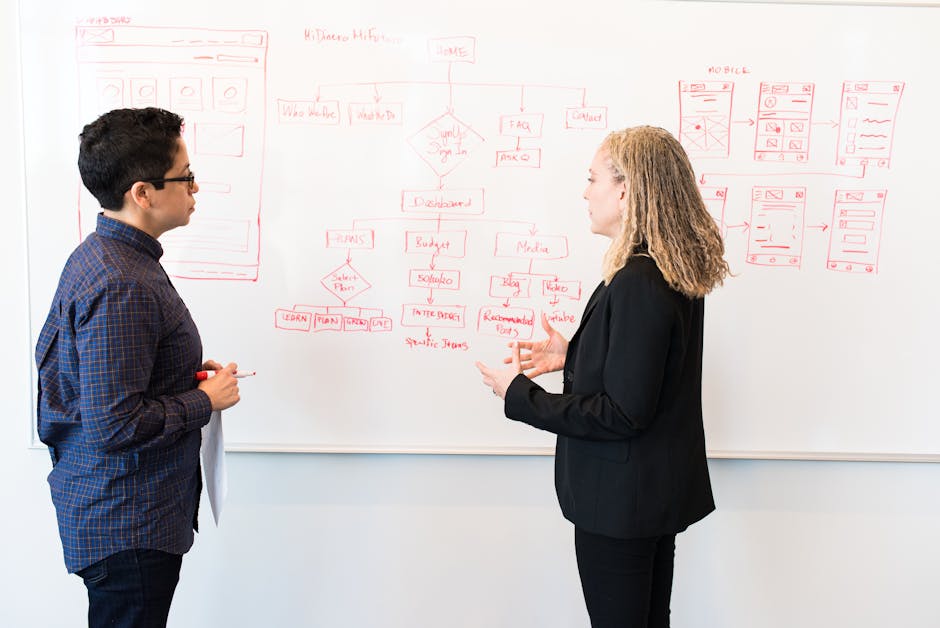
That said, what would make us reconsider? If recent advances in unified model architectures (like multimodal giants from OpenAI or Multi AI Pro) effectively embed draft review processes internally—delivering layered outputs natively—then Suprmind’s explicit sequential mode might lose some advantage. Similarly, if usage-based pricing or latency improves dramatically for multi-model pipelines elsewhere, cost and speed gaps could narrow.
Until those shifts arrive, Suprmind Sequential Mode stands as a pragmatic solution to one of the AI era’s most persistent workflow challenges: reliably verified, auditable content generation at scale.
Summary: Suprmind Sequential Mode Is Workflow Engineering, Not Hype
In a sea of buzzwords about AI “multi-model intelligence,” Suprmind’s Sequential Mode delivers tangible workflow benefits:
- Sequential orchestration transforms AI output from a single-shot guess into a multi-stage draft-review process.
- Disagreement handling turns model conflicts into actionable verification points instead of confusing noise.
- Evidence integration provides transparency that builds trust in automated content generation.
- Pragmatic workflow focus tailors AI multi-model chat to real SaaS team needs around auditability, accuracy, and usability.
If you’re navigating multi-AI model adoption at your company, exploring Suprmind’s Sequential Mode is a must. It bridges the gap between raw AI capability and actionable, trustworthy enterprise workflows.